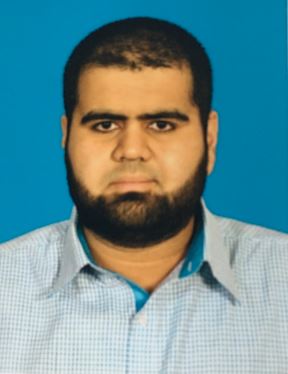
Dr. Wan Salman Wan Saudi
Fakulti Perubatan Dan Sains Kesihatan, UMS
Dr. Wan Salman Wan Saudi is a distinguished researcher at Fakulti Perubatan Dan Sains Kesihatan, University Malaysia Sabah. Their research focuses on My research goal is to unravel the physiological mechanisms that regulate intestinal barrier functions, specifically to investigate the effects of different dietary compositions in the neurohumoral regulation of the small intestinal barrier function during physiological and pathological conditions in diabetes mellitus. The integrity of the gastrointestinal (GI) mucosa depends on two key elements that govern the interplay between aggressive luminal factors and the host: the intestinal permeability and the intestinal mucosal defense. Previous studies shown that paracellular permeability could be regulated, both rapidly and reversibly changed. In the case of dysregulation of the intestinal epithelial permeability, the intestinal barrier function becomes compromised and thereby increases access of infectious agents and dietary antigens to mucosal immune elements, which may eventually lead to epithelial immune reactions. A plausible theory is that a disruption of the intestinal barrier function is a key factor in the pathogenesis of GI diseases, but also in diabetes mellitus. The small intestine, particularly the duodenal segment, , tastes, the luminal contents in order to regulate the physiological functions. Some studies indicates that certain nutritional factors may help to support epithelial health and promote normal intestinal permeability, but how these factors are involved in the normal regulation of the permeability is poorly investigated. My future study will elucidate the dietary components influences the regulation of intestinal barrier functions in duodenal bicarbonate secretion, mucosal paracellular permeability, epithelial ion secretion, intestinal motility and net-fluid-flux, in both normal and diabetic animals. I expecting the general belief that dysregulation of intestinal integrity may increase the susceptibility to diseases could be enlightened through this study. .
As a member of Fakulti Perubatan Dan Sains Kesihatan, they contribute significantly to the academic and research community at UMS through their expertise and dedication to advancing knowledge in their field.
Dr. Wan Salman Wan Saudi holds Degree of Doctor of Philosophy (Faculty of Medicine) from Uppsala University, Uppsala Sweden , among other qualifications, and has established themselves as a respected expert in their field.